
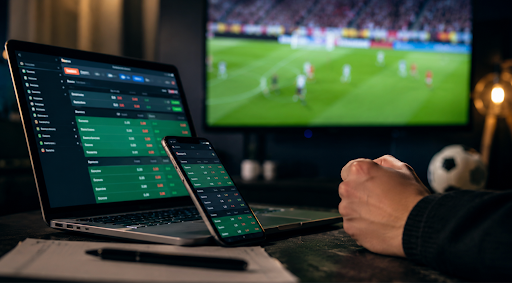
You check the odds before a football match. They are 2.20. Later, they change to 2.05, but the match hasn’t started. Why did the odds change? Odds can change for many reasons. Bets, team news, injuries, weather, and other sportsbooks can all affect them. During a live match, odds can also change as time passes.
Odds Are Prices That Can Move
It helps to think of betting odds as prices. A sportsbook looks at the chance of each possible outcome and creates its opening odds. Those numbers don’t have to stay there. As more information becomes available, the sportsbook may decide that its first estimate needs to change. The betting market also starts giving its own opinion once people begin placing bets. That’s when movement becomes common.
New Information Can Change Everything Quickly
It’s two hours before kickoff. Then news arrives. The team’s best striker isn’t starting. That information matters because the expected strength of the team has changed. The sportsbook may adjust the odds almost immediately. Other bettors see the news too. Some start betting against the team. Now two things are happening at once: the bookmaker has new information, and the market is reacting to it. A noticeable odds move can happen within minutes.
Team News Goes Beyond Injuries
An injured star is an obvious reason for a price change. Smaller details can matter too. A coach may rest several players. A goalkeeper could be replaced. A basketball team might limit a player’s minutes after an injury. Useful information can include:
- Starting lineups
- Injuries
- Suspensions
- Player rest
- Tactical changes
- Late withdrawals
- Travel problems
The importance of each piece of news depends on the sport and the player involved. Losing a backup player probably won’t move a major market much. Losing the starting quarterback can be a different story.
Bookmakers Watch the Wider Market
Sportsbooks don’t operate in isolation. If several major bookmakers suddenly change the price of one team, others will notice. Suppose most of the market has Team A around 1.80. One sportsbook is still offering 2.05. That difference may attract a lot of attention. The bookmaker could decide its price is too high and move closer to the rest of the market.
Odds Don’t Have to Be Identical
Open several betting sites, and you may see slightly different prices. That’s normal. Each bookmaker can have its own customers, risk levels, trading decisions, and margins. One may move quickly after receiving certain bets. Another might wait. Over time, major markets at 20Bet often become fairly close because information moves quickly between bettors and sportsbooks.
A Quiet Game Can Change the Expected Result
Take the over/under goals market. Before the match, the line may reflect an expectation of several goals. Twenty-five minutes pass. Still 0-0. The chance of seeing a large number of goals has generally become smaller because part of the game has disappeared without a goal. The live total and its odds can adjust. No dramatic event was needed. Time passing was enough.
What Happens in the Game Still Matters
Of course, live odds don’t move only because of the clock. A red card can cause a major change. So can a goal, penalty, injury, or other important event. But smaller moments may matter as well. A team could be dominating possession and creating several good chances without scoring. Depending on the sport and market, live pricing systems may use game data to update expectations. The scoreboard may still say 0-0. The match itself may be telling a different story.
Automated Systems Can Update Prices Very Quickly
Live betting markets move too quickly for every price to be calculated manually. Technology plays a large role. Modern systems can process game data and adjust markets as the event develops. Traders may also monitor those markets and step in when necessary. This is why prices can change within seconds. A bettor refreshes the page and suddenly sees a different number. It doesn’t necessarily mean something major happened. The system may simply have received new data or updated its estimate.
Bookmakers Also Manage Their Own Risk
Suppose a sportsbook has taken a large amount of money on one outcome. It may decide to make that option less attractive by reducing the price. At the same time, another outcome could be given a slightly higher price. This can encourage betting elsewhere. However, bookmakers aren’t simply trying to make sure exactly the same amount of money is placed on every side. They also care about whether their odds correctly reflect the market. A bad price can attract more attention than an uneven amount of money.
Market Reactions Can Create More Market Reactions
Odds movement can sometimes feed itself. A price suddenly falls. Bettors notice. Some assume important information has appeared and start betting on the same outcome. More money enters. Other bookmakers react. The price moves again. Not everyone involved necessarily knows why the original move happened. This is one reason following odds movement alone can be misleading.
Different Markets React in Different Ways
A major football match attracts a lot of betting activity. A small event in a less popular sport may have far less. That matters. Markets with lower betting volume can sometimes move more easily because a relatively small bet represents a larger share of the activity. Large, popular markets may require much more money or important news before a similar move occurs. The amount of available information can also differ.