
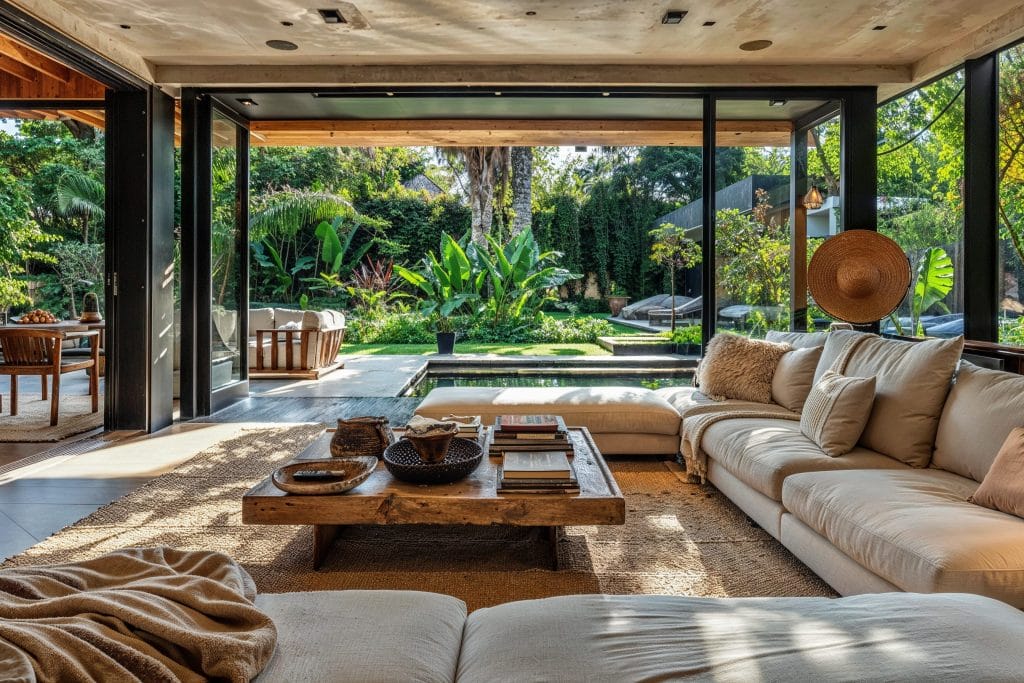
Want to add value to your home? Focus on what buyers actually care about: things that work better and look good from the street. The big, flashy renovations aren’t always the smartest investment.
Instead, think about fixing what’s broken and updating what’s worn out. A front door that isn’t rotting. Windows that don’t draft. A garage door that actually works. These aren’t glamorous, but they signal a house that’s been cared for.
We’ll walk through the updates that give you the best return. Not the most exciting work, but the kind that makes a real difference.
Garage Door Replacement: A High-Value Upgrade
If your garage faces the street, its door is a huge part of your home’s curb appeal. A faded or damaged one makes the whole place look neglected.
Replacing it is a smart financial move. National remodeling surveys consistently rank it as a top project for return on investment. Homeowners typically recoup most of the cost at resale.
The key benefits are straightforward:
- Immediate visual upgrade. A new door refreshes your home’s entire exterior.
- Better operation. Modern doors and openers are quiet and reliable.
- Improved efficiency. Insulated models help stabilize garage temperature.
- Increased security. New systems have updated safety and locking features.
Forget the DIY videos. In Albuquerque, you need a professional installer. They make sure the door is secure and energy-efficient. ABQ Garage Doors can do that. They take care of everything: putting in new doors, full replacements, and fixing whatever breaks. Saves you trouble in the long run.
Kitchen Refresh: Smart Updates, Not Gut Jobs
The kitchen is still the main spot in the house. A complete remodel costs a lot and often doesn’t pay off fully. Go for targeted cosmetic changes instead. They give a new look for much less money.
Cabinet Makeover
Everyone wants to rip out their cabinets. It’s expensive. A cheaper fix? Professional refinishing. Makes them look brand new. Even easier, change the knobs and pulls. New hardware, new life.
For a bigger change, try a bold paint color. It creates a focal point. Saves you a ton of money.
Countertop Update
Swap out old laminate for something better. Go with quartz for durability, butcher block for a rustic feel, or recycled glass for something different.
Updating just a section — like an island — can give the kitchen a focal point without a full remodel. Pair it with a simple backsplash refresh. Good peel-and-stick tile makes it an easy DIY job that completes the new look.
Appliance Sync
A white fridge, a black stove, a stainless dishwasher—it looks messy. It feels temporary. A full matching suite is a huge expense, though. So start with one.
Replace the most prominent appliance, usually the refrigerator, with a stainless steel model. That single change begins to anchor the room and suggests a coordinated look. And make it count: choose an energy-efficient model. It’s a selling point that speaks to both the wallet and common sense.
While you’re focused on the sink area, don’t overlook the faucet. An old, crusty one drags everything down. Swapping it for a contemporary model in a modern finish, like matte black or brushed brass, with a handy pull-down sprayer, is a shockingly effective mini-renovation. It updates the entire zone in an afternoon.
Lighting & Fixtures
Replace the old light fixtures over your island or sink. Choose something simpler like slim pendants or recessed cans.
Also, add under-cabinet lighting—it’s inexpensive and practical. While you’re working, swap out all the old switch plates and outlet covers. These small details finish the room.
Flooring Touch-Up
Flooring is simpler than you think. You almost never need to replace the whole thing. For wood, get it refinished. For tile, get it re-grouted. For worn-out linoleum, install vinyl plank flooring on top of it.
These are direct solutions that fix the problem without the chaos and cost of a full replacement. It’s about a practical upgrade, not a showroom makeover.
Wall and Color Boost
Fresh paint is the fastest fix. Cover dated wallpaper with a light, neutral shade or a bold accent color. Add a couple of floating shelves for storage. They’re cheap, keep the space open, and instantly look more modern.
Bathroom Modernization: Prioritize Cleanliness and Function
Bathroom’s the deal-breaker when you’re unloading a house. Grimy tiles or a faucet that drips like it’s got a grudge—buyers bolt. Skip the spa fantasy with veined stone and brass everything.
Nail the basics hard: spotless grout, drains that swallow water fast, lights that chase shadows into corners.
Refresh Surfaces: The Power of Pristine Details
Look closely at the grout. Discolored streaks between tiles drag the whole bathroom down fast. Same with caulk peeling off the sink. Hit those spots hard—clean deep or replace entirely. Costs almost nothing. Yet counters shine brighter, fixtures pop, buyers walk in thinking the place gets real care.
Upgrade Fixtures: Combine Style with Smart Efficiency
Nothing dates a bathroom faster than a crusty old faucet. That drip-drip sound is practically counting down the seconds until a buyer walks out. New fixtures are your easiest win. Pick a modern finish—chrome’s a safe bet, but matte black has that edge right now. Install the new faucet, and the whole space immediately feels fresher.
Suddenly, the place feels considered, not worn out. And here’s the kicker: the good new models use way less water. You get a strong spray that doesn’t guzzle. It’s a smart, silent upgrade that cuts bills and looks sharp.
Elevate Focal Points: Mirror and Vanity Updates
Mirror and vanity run the show in there. That chipped builder special staring back, the cabinet sagging like it gave up years ago—drags everything down. Swap the glass for something with a thick frame, maybe reclaimed barn wood or matte black metal. Gives the wall bones.
Hit the vanity doors with a roller and satin paint, or rip the whole thing out for a floating slab with hidden drawers. Storage you actually use. Style that sticks.
Illuminate Strategically: Layer Light for Ambiance and Utility
Harsh, single-overhead lighting creates unflattering shadows and makes tasks difficult. A professional lighting plan involves layering. Start with ample ambient light from ceiling fixtures, then add dedicated task lighting—such as sconces or vertical LED strips—on either side of the mirror to eliminate shadows for grooming.
Finally, consider subtle accent lighting for a relaxing atmosphere. Bright, well-planned lighting makes the space feel larger, safer, and more inviting.
Focus on these four areas, and you’ll build a bathroom that feels clean, efficient, and smart—not just a quick cosmetic fix. Buyers see that solid value, and it makes your whole house easier to sell.
The Forgotten Spaces: Attics, Basements, and Garages
If you want more square footage, don’t just focus on the main rooms. The real potential is in the spaces you’re probably ignoring.
- Basement: That damp storage dungeon is a goldmine. Waterproof it first—non-negotiable. Then add insulation, a decent floor, and bright lights. Boom. Now it’s a gym, a playroom, a usable space. Even a half-finished basement feels like found money.
- Attic: All that hot, empty air under your roof can become a killer extra room. A bedroom, an office, a hideaway. Just get the insulation and ventilation right, and make sure the access stairs don’t feel like a death trap.
- Garage: You don’t need to finish it. Just organize it. Heavy-duty shelves, a clean floor, and clear wall systems. It shows buyers the house has its act together, that there’s a real place for everything. It sells practicality.
Turning these forgotten areas into real rooms is one of the smartest value-adds you can do.
Efficiency and Systems: The Hidden Value Adds
Efficiency isn’t a selling point. It’s a lack of headaches. Savvy buyers and inspectors don’t care about your smart bulb—they care about the bones. The stuff that keeps the lights on and the bills low.
Start with the envelope. Better attic insulation, sealed windows, and proper vapor barriers. It cuts utilities, sure. But more than that, it kills the cold spots and drafts that make a house feel cheap. Daily comfort beats flashy features every time.
Then get the systems serviced. Not a DIY check—pay a pro. HVAC tune-up, plumbing inspection, and water heater flush. Get the invoices. Paperwork that shows care is a weapon against lowball offers. It proves the place works.
Finally, fix the small stuff. The wobbly railing, the sticky door, the slow drain. During a walk-through, that junk screams deferred maintenance. It makes buyers imagine a dozen other things you’ve ignored. Nail it all down beforehand. You’re not just selling space—you’re selling certainty. A house that feels resolved. And that certainty is where the real value gets locked in.
Conclusion
A successful renovation strategy must align with your local market. Over-improving for the neighborhood won’t pay off financially. The most valuable updates balance visual appeal, practical function, and dependable performance.
Remember, even modest changes—like a new garage door or a refreshed faucet—collectively build a powerful impression of a cared-for home. This strong perception doesn’t just attract buyers; it directly supports a higher selling price and ensures your investment delivers real returns.
Stay in touch to get more updates & news on Forbes Zine!